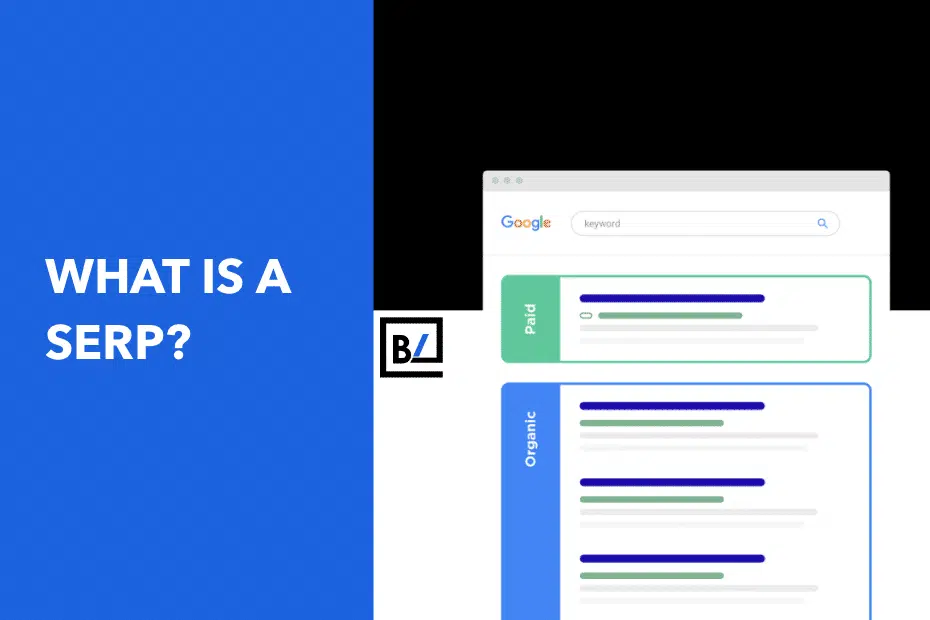
In 2021, we defined a Search Engine Results Page (SERP) as the page a search engine returns after a user submits a query. By 2026, that definition has evolved. Today, a SERP is a sophisticated, AI-driven interface that prioritizes immediate answers and multi-surface discovery.
The Evolution of the Modern SERP
The era of “ten blue links” is over. In 2026, visibility is fragmented across several high-impact zones that your brand must occupy simultaneously to remain relevant:
- AI Overviews (SGE): These generative summaries sit at the very top of nearly 45% of all queries, synthesizing information from across the web into a single conversational answer.
- Zero-Click Features: Nearly 60% of mobile searches now end without a click because features like Featured Snippets, Knowledge Panels, and “People Also Ask” blocks provide the answer instantly.
- Multimodal Discovery: Modern SERPs integrate video carousels, image packs, and voice-ready snippets, allowing users to search with their cameras or voices as much as their keyboards.
Why SERP Coverage is Your Survival Strategy
In 2026, ranking #1 for a text link is no longer enough to guarantee traffic. You need Total SERP Coverage to thrive.
- Becoming the “Cited Source”: AI Overviews cite authoritative sources. When your brand is the cited reference, you earn a level of trust that traditional ads cannot buy.
- Capturing Zero-Click Intent: Even if users don’t click, seeing your brand in a Knowledge Panel or Local Pack builds Branded Search and long-term authority.
- Surviving the “Great Decoupling”: While impressions might rise as AI mentions your brand, clicks often drop. Optimization now focuses on Engagement Metrics (like time on page and interaction rate) rather than just click-through rates.
Core Components of a 2026 SERP
To compete, your content architecture must be “machine-readable” for AI and “human-centric” for users.
The AI Answer Layer
AI engines ingest content in “semantic chunks” rather than reading every word. We optimize your site by creating Topic Clusters that establish you as the definitive expert in your niche, making it easy for AI to “lift” your data into its summaries.
Example: The “Smart Home Security” Cluster
Instead of just writing one general article, a 2026 strategy builds a network of interconnected content that signals total expertise:
- Pillar Page: The Ultimate Guide to AI-Powered Home Security in 2026.
- Sub-Topic 1: Best AI security cameras with local storage.
- Sub-Topic 2: How to integrate smart locks with voice assistants.
- Sub-Topic 3: Privacy guide: Keeping your smart home data secure from AI leaks.
- Sub-Topic 4: Case Study: How one homeowner automated their security for under $500.
Why this works for the 2026 SERP
- Semantic Mapping: By covering these specific sub-topics, you help search engines understand the relationships between your content pieces.
- Internal Linking: Linking all sub-topics back to the Pillar Page consolidates authority and makes it easier for AI agents to crawl your entire expertise.
- User Retention: It provides clear next steps for users, which helps improve the Engagement Metrics mentioned in your article.
Interactive and Local Features
For local businesses, the Local Three-Pack remains the most valuable real estate. By optimizing your Google Business Profile and using hyper-local Schema Markup, you appear in “near me” summaries and map pins that drive immediate physical traffic.
Visual and Video Carousels
Search has become visual. We prioritize high-resolution, original imagery and short-form video with descriptive metadata to secure spots in visual search results and video carousels.
How We Win the 2026 SERP
The rules of organic search have been rewritten. We move beyond simple keywords to focus on:
- Generative Engine Optimization (GEO): Structuring your most important facts into concise, quotable blocks that AI assistants prefer.
- E-E-A-T Verification: Making your firsthand experience and expert credentials visible through verified author bios and proprietary case studies.
- Technical Resilience: Removing every ounce of friction from your site architecture so search bots and AI agents can index your value instantly.